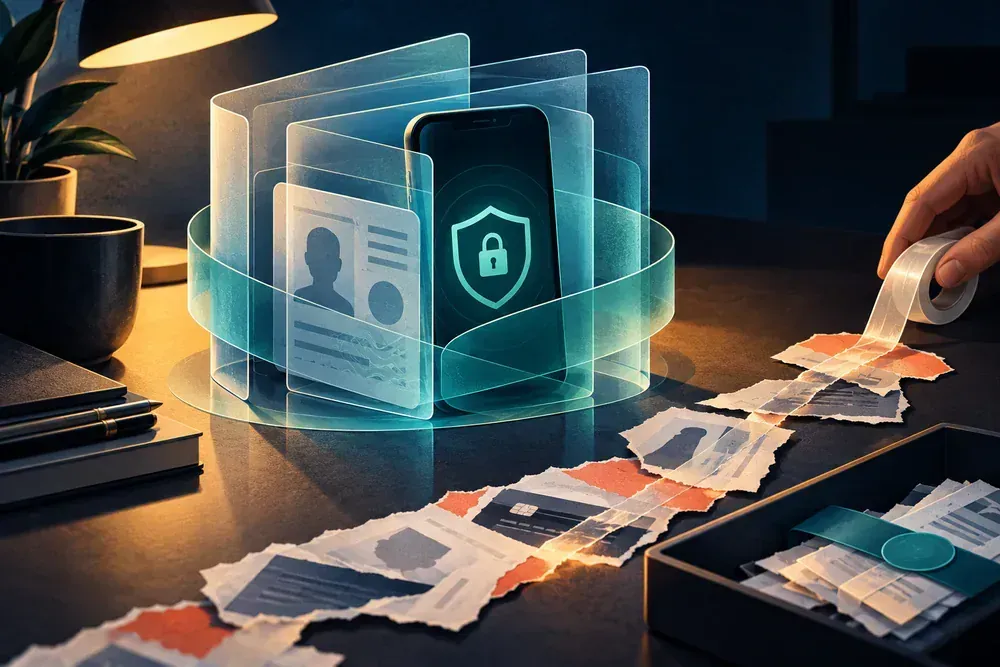
Prepare the facts before the next contact for deceased-person identity theft
- Confirm who is legally authorized to handle the estate or records.
- Preserve the fraudulent notice, account or application before contacting the company.
- Notify affected organizations and reporting systems through their official routes.
The deceased-person identity theft working path
Use this three-part path to keep the response to identity theft after a relative dies factual. It separates the first reliable signal, the control that changes risk and the handoff that needs follow-up.
First signal
Write down the exact event that brought you to this guide. For identity theft after a relative dies, use the provider record, physical condition or official notice rather than a guess about what may have happened.
Control point
Complete the first action that can prevent added loss, unsafe access or a changed record. Keep that control separate from later replacement, reimbursement or correction work.
Handoff
End with a named organization, a reference when one exists and a date to check again. A completed first step is not the same as a completed case.
Build a working record for identity theft after a relative dies
- Date-of-death record and proof of authority to act
- Fraudulent account, application or notice with dates
- Organization reports, documents sent and written resolutions
Briefing before you report deceased-person identity theft
A concise deceased-person identity theft briefing prevents an urgent conversation from becoming a long theory. Lead with the observable event, provide the record that supports it and name the answer still required.
- What you know
- For the deceased-person identity theft briefing, state this distinction clearly: Family relationship alone may not permit access to every account or report. Executors, administrators and other representatives should use the documents required by the organization and local law. Keep the description tied to what you directly observed.
- What proves it
- Use the following evidence point when reporting deceased-person identity theft: Legitimate final bills, authorized estate transactions and fraudulent new accounts can occur near the same time. Record dates, account purpose and who authorized each action. Preserve the original record and annotate a copy when explanation is needed.
- What not to assume
- Set this boundary during the deceased-person identity theft response: Death certificates and authority papers contain sensitive information. Confirm the recipient and secure upload or mailing process, and record what was sent. Ask the responsible organization to resolve any conclusion that remains uncertain.
- What closes it
- Define completion for deceased-person identity theft with this follow-up: An affected lender, collector, credit bureau or government program may need its own notice. Keep written results so later family members do not have to reconstruct the case. Confirm the result in the official account or a written reply before closing your record.
Before ending the deceased-person identity theft contact, repeat the next action in plain language. Record who owns it, when you will check the result and which official channel will show completion.
Make the next conversation specific: deceased-person identity theft
Authority comes before access
Family relationship alone may not permit access to every account or report. Executors, administrators and other representatives should use the documents required by the organization and local law.
Separate estate activity from identity misuse
Legitimate final bills, authorized estate transactions and fraudulent new accounts can occur near the same time. Record dates, account purpose and who authorized each action.
Share the minimum necessary documents
Death certificates and authority papers contain sensitive information. Confirm the recipient and secure upload or mailing process, and record what was sent.
Close every external record
An affected lender, collector, credit bureau or government program may need its own notice. Keep written results so later family members do not have to reconstruct the case.
Questions to settle before moving ahead about deceased-person identity theft
Can any relative request a credit report?
Eligibility and required documents vary. Use the credit bureau's official deceased-person process.
Should identity documents be mailed to every creditor?
Send only what a verified organization requires, through a secure channel, and keep a delivery record.
Prepare for the step that follows: deceased-person identity theft
When another system is involved, open stolen passport.
A connected warning may require stolen driver license.
Return to the complete first-action plan for the whole incident sequence.
Processes, rights and deadlines depend on your location, provider and policy. Use the relevant official service for your jurisdiction.