A card or wallet is missing
Lock the affected card if the provider offers that control, check recent activity, and decide whether it must be replaced. Use the lost-wallet action plan when identity documents or several cards are gone too.

For a lost card, suspected fraud, identity theft or an insurance incident, protect people first. Then contain access or damage, preserve evidence, and contact the responsible provider through an official channel.
You do not need to diagnose the whole incident before you begin. Start with the signal you can verify now.
Lock the affected card if the provider offers that control, check recent activity, and decide whether it must be replaced. Use the lost-wallet action plan when identity documents or several cards are gone too.
Use the number in the provider's app, website or statement to report it. Preserve the transaction details with the card-dispute evidence guide instead of relying on memory.
Do not use the message link or number. Open the provider's official channel separately and follow the suspicious bank message checks.
Secure the email and phone paths that can reset other logins, then review account activity. The account-takeover plan orders those tasks.
Contact the named provider through a verified channel, preserve the notice, and check for wider identity misuse. Follow the new-account identity-theft plan.
Move away from danger before taking photographs or making temporary repairs. Then use the insurance-claim action plan to organize notice, evidence and receipts.
Start with the consequence that can get worse fastest. Protect people first, then stop access to money or accounts, then preserve evidence. Choose the row that best matches what is at risk now.
| What is at risk? | First useful action | Start here |
|---|---|---|
| Card or available money | Lock the card or contact the provider through an official channel. | Card loss and payment-fraud plan |
| Email, phone or identity | Secure the recovery accounts that can reset other logins. | Identity-theft first steps |
| People, property or a claim | Move away from danger, then document the event without taking added risk. | Insurance-claim action plan |
Each route separates actions for the next 10 minutes, tonight and tomorrow.
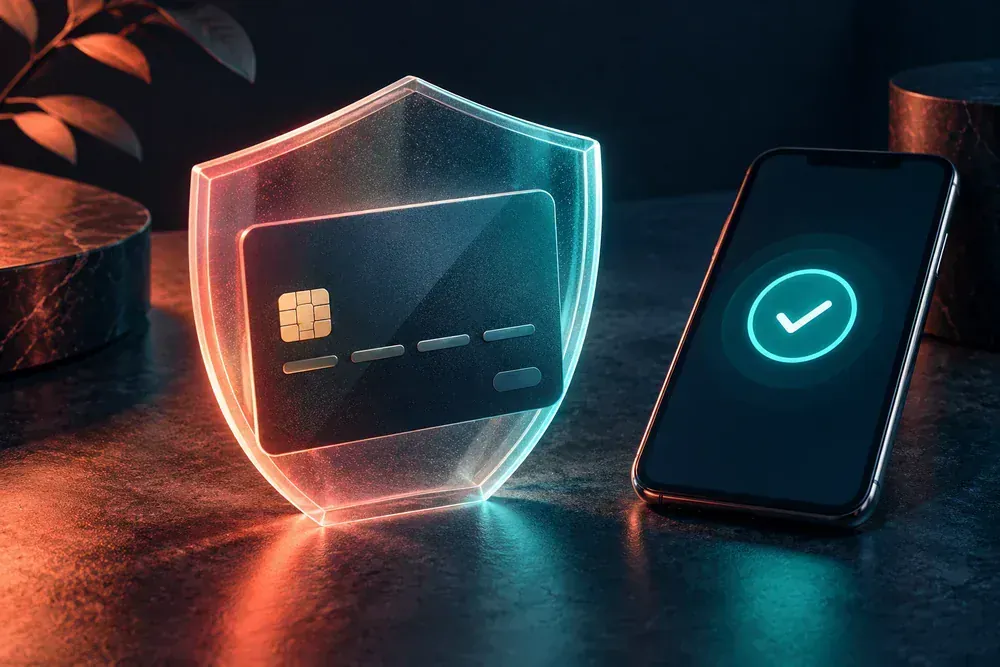
A practical sequence for a lost, stolen or misused card: freeze access, contact the issuer safely, record disputed activity and protect connected accounts.
Open action plan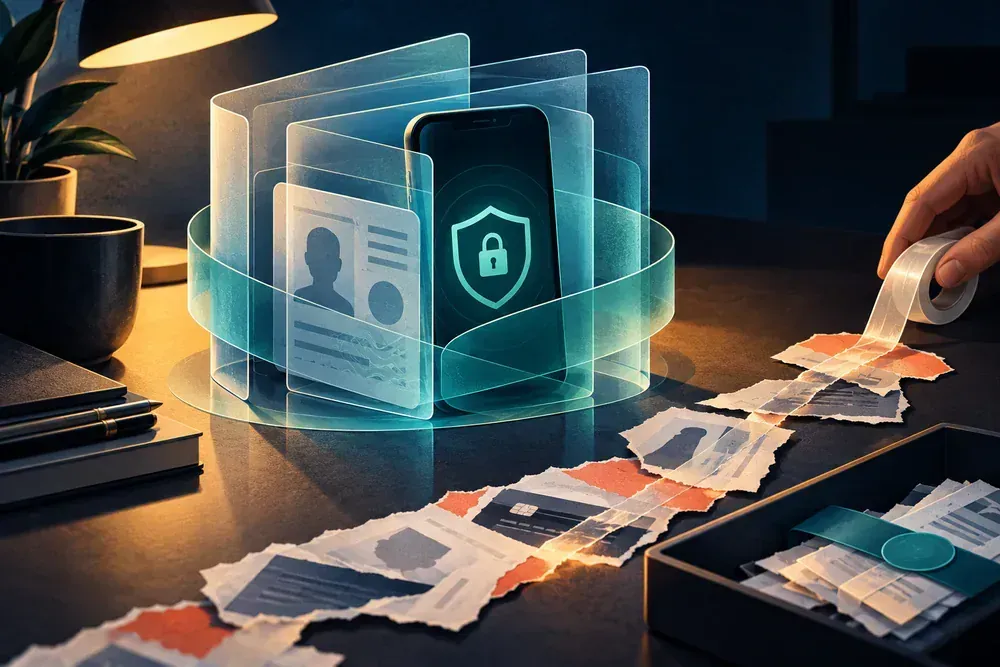
Contain an account takeover or identity theft event without making the situation worse. Prioritize account control, documentation and official recovery channels.
Open action plan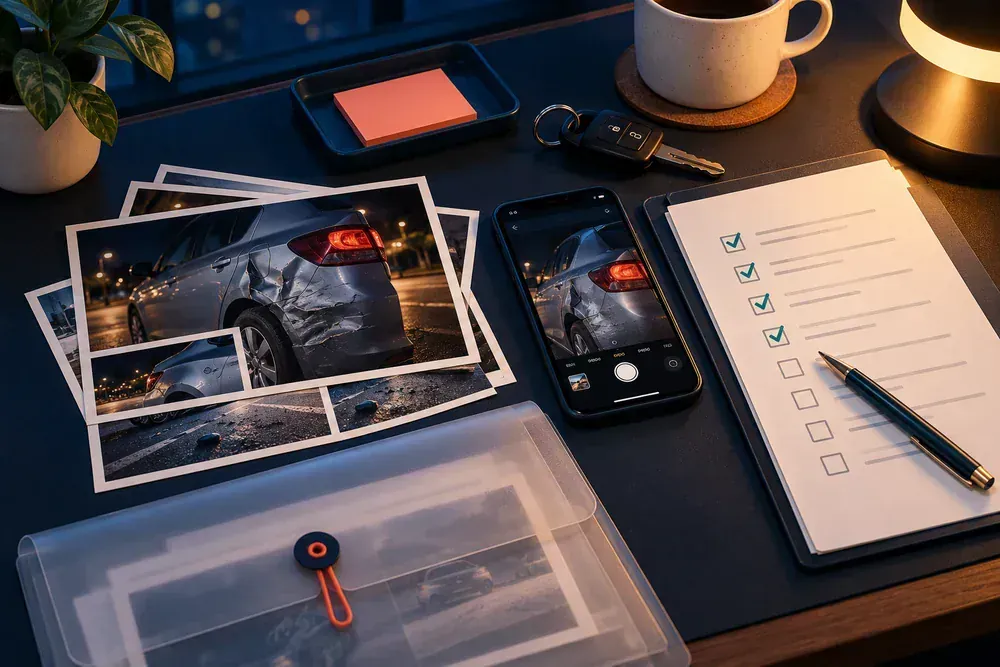
A safety-first evidence and notification plan for an accident, theft or home loss, with clear boundaries for emergency services and temporary repairs.
Open action planWe order tasks by consequence: personal safety, access control, cash flow, evidence, then follow-up. Your checklist stays in your browser.
Make a private planStop further access before chasing every detail.
Capture facts, reference numbers and promises.
Use official channels and clear deadlines.
Open the workspace that matches the record, decision or checklist you need. Each one stays in the browser and links back to its supporting guides.
A short sequence keeps documentation useful without letting paperwork delay containment.
Address injury, danger or active property damage first. Use a verified provider channel to lock access, report suspicious activity or begin safe mitigation.
Record what happened, when you noticed it, actions already taken, reference numbers and the next instruction. Keep original messages, photographs and receipts.
Check the provider's written status, complete requested steps and note every deadline or promised response date. Escalate through the provider's official complaint path when needed.
Six useful guides rotate every day, with equal space for card, identity and insurance situations.
A safe verification sequence for urgent fraud alerts, calls and messages that may themselves be scams.
Read guideDistinguish a temporary hotel or rental authorization from a posted charge, then ask the merchant and issuer what amount, release event and follow-up apply.
Read guideRespond when someone may have used your identity or insurance information for treatment, prescriptions or billing.
Read guideContact the lender's fraud team, request the application and account records available to you, and correct credit or collection records with an identity-theft plan.
Read guideMatch the interrupted trip event to the policy benefit, preserve bookings and provider records, and explain refunds or credits separately from the claimed amount.
Read guideDocument storm damage from a safe position, prevent reasonable further loss and keep clear evidence for the insurer and repair process.
Read guideThe daily selection changes, but this directory always links directly to every published guide. Choose the problem, decision or record you need.
A practical sequence for a lost, stolen or misused card: freeze access, contact the issuer safely, record disputed activity and protect connected accounts.
Contain an account takeover or identity theft event without making the situation worse. Prioritize account control, documentation and official recovery channels.
A safety-first evidence and notification plan for an accident, theft or home loss, with clear boundaries for emergency services and temporary repairs.
TONIGHT.you helps you choose a starting path, prepare a clear record and find the responsible official channel. It does not access accounts, submit claims, decide liability or coverage, or replace emergency, legal or financial advice.
The service is independent and does not require an account. Read how pages are researched and corrected in the editorial policy, or learn more about the service on the About page.
Homepage reviewed 21 October 2026
No. TONIGHT.you is an independent information service. It helps you organize first actions, but it cannot access an account, file a report, decide coverage or replace instructions from a provider or public authority.
No. The action-plan builder works in your browser and does not ask for account numbers, policy numbers, passwords or uploaded documents. Reloading the page clears the plan unless you print it.
The safety, containment and evidence sequence is broadly useful, but legal rights, reporting channels and deadlines vary. United States-specific guidance is labeled, and your provider and local authority instructions control.
Handle immediate danger first. Next secure the account, device or property that could create more loss. Then make one incident record and follow the linked plan for each affected card, identity account or claim.
We link readers to issuers, regulators and official recovery services. Rules differ by place and product, so important legal timing is clearly labeled.